

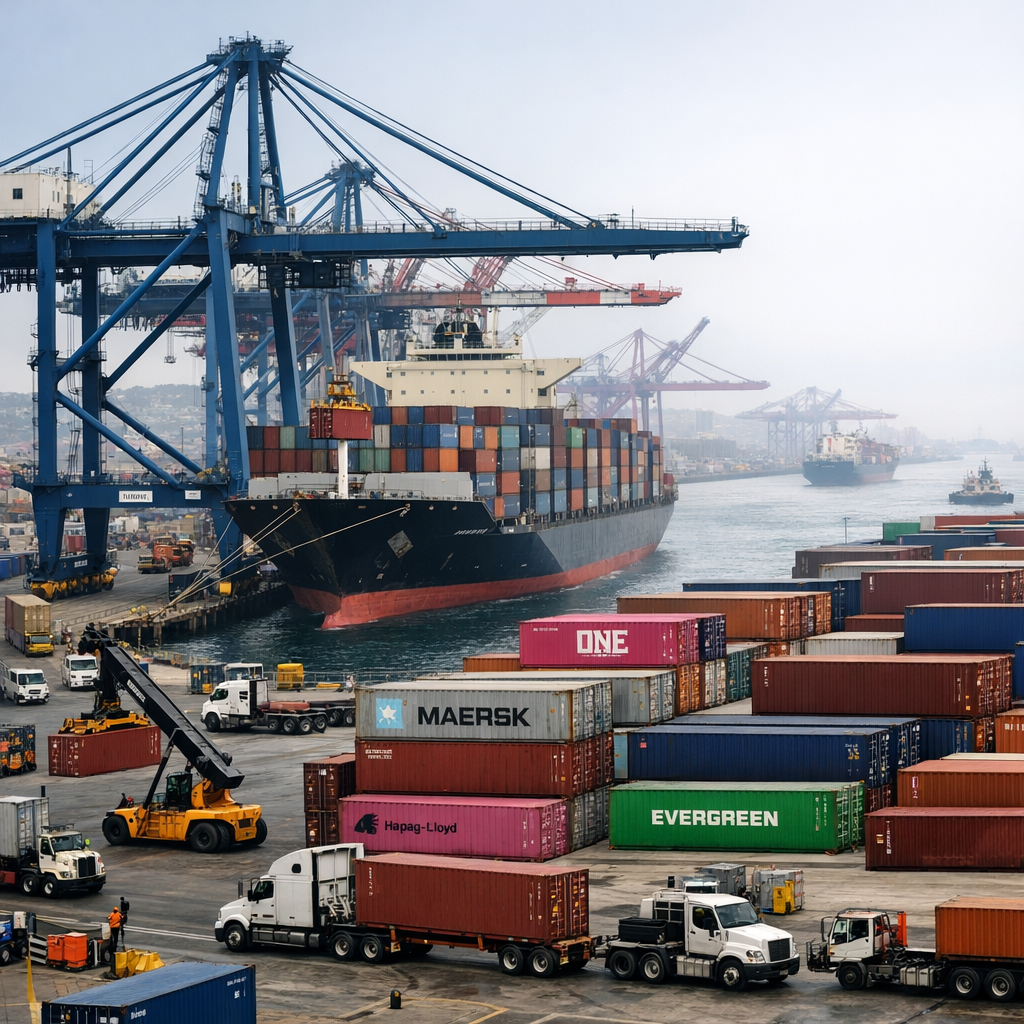
Recent developments in U.S. trade policy have introduced significant challenges to the national economy. The implementation of new tariffs has led to disruptions in business operations and contributed to a contraction in economic growth. In the first quarter of this year, the U.S. economy shrank by 0.3%, marking the first decline in three years. This downturn is largely attributed to businesses accelerating imports ahead of tariff impositions, resulting in a surge in imports that negatively impacted the gross domestic product (GDP).
Consumer spending, a critical driver of economic activity, has also experienced a slowdown. Growth in consumer expenditures decelerated to 1.8% from the previous quarter’s 4%, indicating a cautious approach by consumers in response to the current economic climate.
Inflationary pressures are mounting, with the personal consumption expenditures (PCE) price index rising at an annual rate of 3.6%, up from 2.4% in the previous quarter. This increase in inflation poses a challenge for the Federal Reserve as it seeks to balance economic growth with price stability.
In the labor market, there are emerging signs of weakness. Recent reports indicate that companies added only 62,000 jobs in April, a significant decline from the 147,000 jobs added in March. This slowdown in hiring suggests that businesses may be adopting a more cautious stance amid the prevailing economic uncertainties.
As the nation navigates these economic challenges, it is crucial for policymakers to carefully consider the impacts of trade policies and inflationary trends on both businesses and consumers. The coming months will be pivotal in determining the trajectory of the U.S. economy and the effectiveness of measures implemented to foster stability and growth.